
Samsung Galaxy S26 Ultra Review: Premium Flagship with Powerful AI, Privacy Display and Incremental Upgrades
The Samsung Galaxy S26 Ultra delivers a refined flagship experience with a 6.9-inch Dynamic AMOLED display, Snapdragon 8 Elite Gen 5 processor, and strong battery performance, but focuses more on incremental improvements than major innovation. It retains a familiar design and camera system while introducing features like Privacy Display, which limits viewing angles for added security. AI capabilities are present but feel evolutionary rather than transformative, and gaming performance, while solid, trails some competitors. Overall, the device stands out as a premium all-rounder with excellent display and reliability, though it may not offer compelling upgrades for recent flagship users
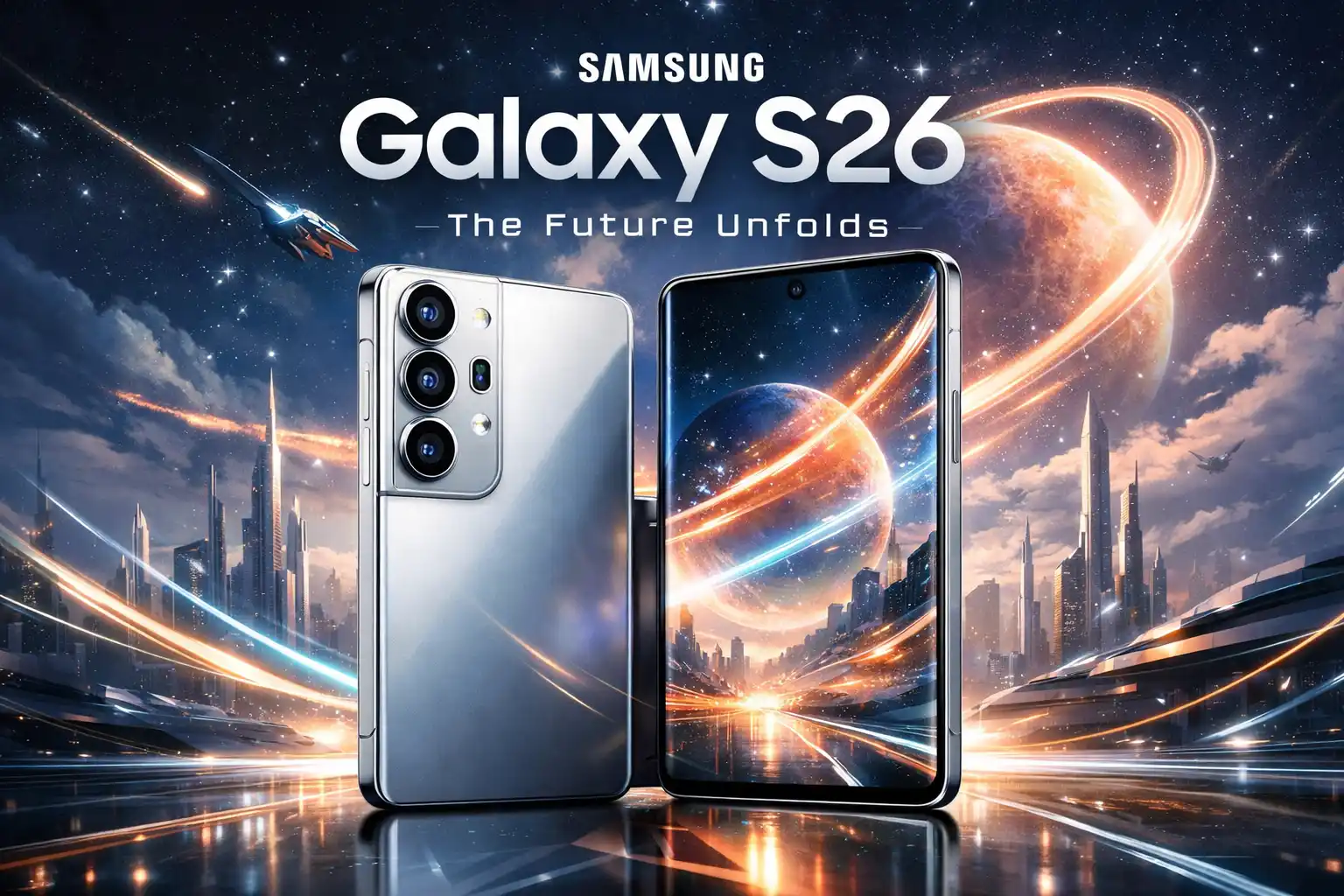
Key Highlights
- Samsung Galaxy S26 Ultra retains a design nearly identical to its predecessor
- Features a 6.9-inch Dynamic AMOLED display with 120Hz refresh rate
- Powered by Qualcomm Snapdragon 8 Elite Gen 5 chipset
- Strong battery life with up to ~30 hours usage
- Camera system remains largely unchanged from previous generation
- New Privacy Display feature enhances on-screen security
- AI features exist but feel incremental rather than transformative
- Gaming performance is solid but lags behind some competitors
Samsung continues its flagship tradition with the Samsung Galaxy S26 Ultra, delivering a device that focuses more on refinement than reinvention. While it may not introduce dramatic changes, it still offers top-tier performance, excellent display quality, and a polished user experience. This year, Samsung emphasizes AI features, though the overall experience remains familiar.
Design and Build: Familiar Yet Premium
The Galaxy S26 Ultra closely resembles the previous generation, maintaining the same squared edges, rounded corners, and prominent multi-lens camera setup. Despite the lack of visual change, the device remains sleek and premium.
At just 7.9mm thick, it is slimmer than many competitors, including the iPhone 17 Pro Max. However, the camera bump causes noticeable wobble when placed flat on surfaces, which can be inconvenient without a case.
The reviewed Cobalt Violet color variant appears subtle at first glance but reveals a purple tint under certain lighting. Button placement remains standard, with all controls on the right side and an in-display fingerprint sensor instead of a side-mounted one.
At the bottom, the phone includes a USB-C port, SIM tray, speaker, and S-Pen slot. Notably, there is no microSD card support, requiring users to choose storage carefully at purchase.
Display: A Visual Standout
Samsung continues its dominance in display technology with a 6.9-inch Dynamic AMOLED panel featuring a resolution of 3120 x 1440 and a 120Hz refresh rate.
The display delivers vibrant colors, sharp visuals, and an immersive viewing experience for videos, games, and reading. While higher refresh rates can impact battery consumption, efficiency improvements ensure minimal trade-offs.
Software and AI: Incremental Improvements
AI remains a major focus, but its impact feels limited in daily use.
Features like “Now Brief” provide quick updates on schedules, news, and content recommendations, though personalization appears inconsistent. For example, recommendations may not align with actual user behavior.
More practical features include:
- Call Assist for screening spam calls
- Real-time call transcription and translation
- AI tools for writing and photo editing
These features function as expected but are not significantly different from previous iterations. The most useful AI tools are subtle rather than flashy, focusing on convenience over innovation.
Performance: Productivity Over Gaming
Powered by the Qualcomm Snapdragon 8 Elite Gen 5 chipset, the S26 Ultra delivers strong overall performance.
In CPU benchmarks like Geekbench:
- Single-core: 3517
- Multi-core: 11229
These results place it alongside competitors like the OnePlus 15 and Redmagic 11 Pro.
Graphics performance shows mixed results:
- Strong Vulkan scores (28270), ideal for tasks like video editing
- Lower scores in 3DMark compared to rivals, indicating weaker gaming optimization
Despite this, real-world gaming remains smooth, with no major slowdowns observed. The device includes a gaming overlay that allows users to boost performance when needed.
Privacy Display: A Unique Addition
One of the most notable new features is the Privacy Display.
This software-controlled feature limits viewing angles, making it difficult for others to see the screen. It works effectively, especially in public settings or when handling sensitive information.
However, enabling it introduces a gray tint that reduces display vibrancy. While it can be selectively applied, many users may prefer to keep it off for better visual quality.
Camera: Reliable but Unchanged
The camera system remains largely unchanged:
- 200MP main sensor
- 50MP ultrawide lens
- 50MP telephoto lens
- 12MP front camera
The rear cameras produce vibrant, detailed images, even in low-light conditions. Night photography performs well, maintaining clarity with minimal noise.
The front camera is adequate but less impressive, particularly in poor lighting. AI enhancements are available but do not significantly alter results.
Battery Life: Consistently Strong
Battery performance is one of the device’s strengths.
- Up to ~30 hours of usage on a full charge
- Around 12 hours with partial charging (50–60%)
- Potential for up to two days with moderate use
Even with features like always-on display, the phone maintains reliable endurance, exceeding typical expectations.
Pricing and Availability
The Samsung Galaxy S26 Ultra starts at $1,299 for the 256GB variant and goes up to $1,799 for the 1TB model.
Final Verdict
The Samsung Galaxy S26 Ultra focuses on refinement rather than innovation. It offers excellent performance, display quality, and battery life, but introduces minimal changes compared to its predecessor.
While the new Privacy Display adds a unique touch and the chipset improves performance, the overall experience remains familiar. For users upgrading from older devices, it’s a strong choice. However, those with recent flagship phones may find fewer reasons to upgrade, especially given its relatively modest improvements in gaming and AI features.