Technology Updates & Trends News

Apple Unveils iPhone Duo, iPhone 18 Pro and iPhone 18 Pro Max: India Pricing, Launch Dates and Full Specifications
Apple has unveiled the iPhone Duo, its first foldable iPhone, alongside the iPhone 18 Pro and iPhone 18 Pro Max. The new lineup brings the A20 Pro chip, upgraded 48MP cameras, iOS 27, Apple Intelligence, improved batteries and new connectivity features, with India pricing starting at ₹1,64,900.
Starbucks Announces More Layoffs as CEO Brian Niccol Expands Restructuring Plan
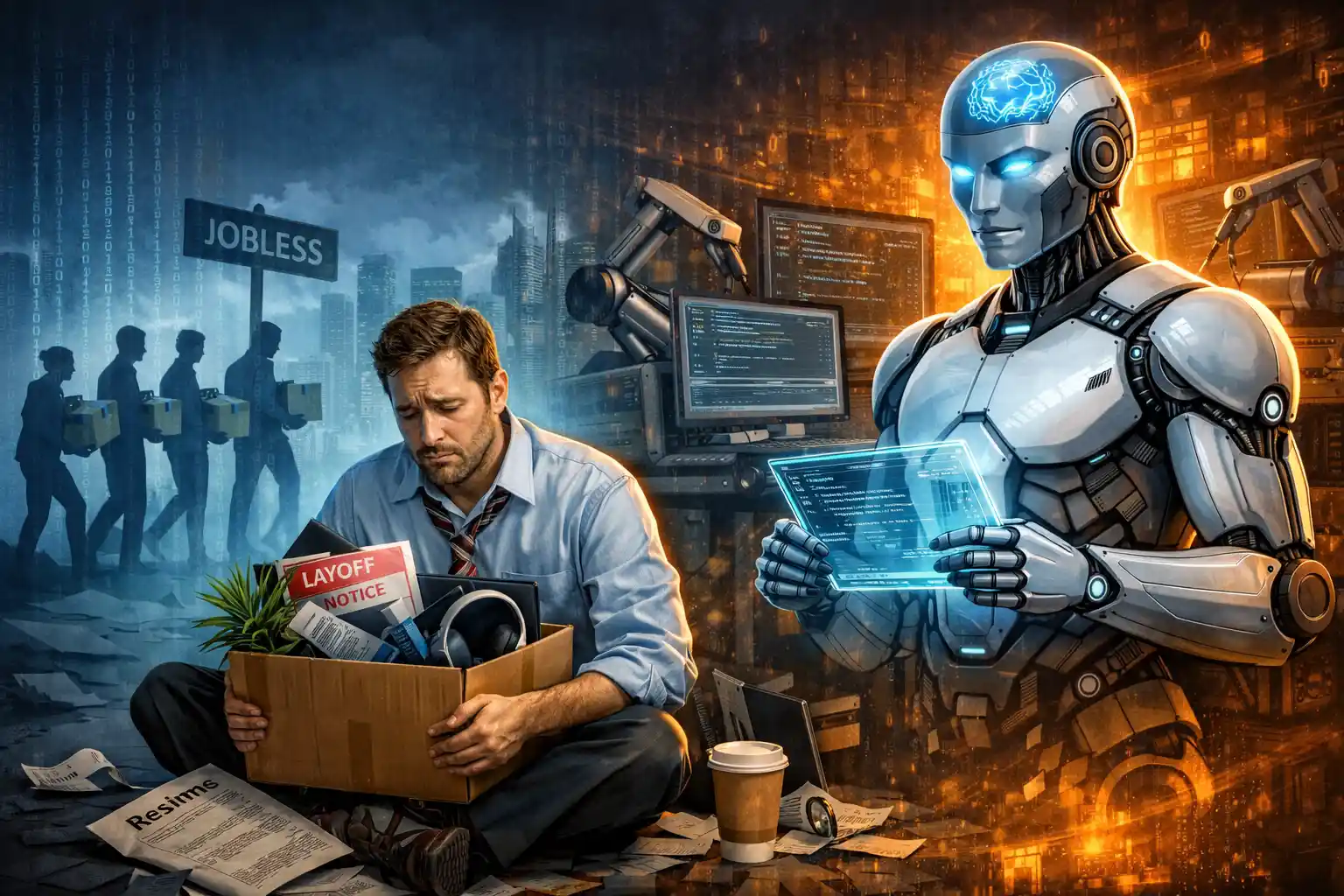
Starbucks has announced another round of corporate layoffs, eliminating around 300 U.S. positions and shutting down regional support offices in cities including Atlanta, Chicago, Dallas and Burbank as part of CEO Brian Niccol’s ongoing “Back to Starbucks” turnaround strategy. The move follows earlier workforce reductions in 2025 and is aimed at simplifying operations, reducing costs and improving long-term profitability. The restructuring is expected to cost about $400 million, including severance and office-related expenses. While retail cafe employees will not be affected, the company has also begun reviewing its international corporate workforce, raising the possibility of further job cuts globally. Despite the restructuring, Starbucks recently reported stronger U.S. sales growth and continues investing in expansion initiatives, including a new corporate office hub in Nashville.

PM Modi’s Work-From-Home Push Sparks Debate Across India’s IT Industry
Prime Minister Narendra Modi’s recent appeal to revive work-from-home practices as part of fuel-saving measures amid rising global oil prices and West Asia tensions has reignited debate across India’s IT and corporate sectors. Employee unions such as NITES have urged the government to issue an official WFH advisory for India’s 5.8 million IT workforce, while several companies and industry leaders are reportedly reviewing hybrid work policies to reduce commuting, operational costs and fuel consumption. Business leaders including Shaadi.com founder Anupam Mittal have already introduced fresh remote work policies following the Prime Minister’s remarks. The renewed conversation has gained strong support in cities like Bengaluru, where worsening traffic congestion and long commute times continue to fuel employee demand for flexible work arrangements.

PM Modi’s Work-From-Home Push Reignites Bengaluru Traffic and Remote Work Debate Amid Fuel
Prime Minister Narendra Modi’s recent appeal to revive work-from-home practices as part of fuel conservation efforts amid rising global oil prices has sparked renewed debate across India’s tech industry, particularly in Bengaluru where severe traffic congestion and long commutes have intensified support for flexible work models. Employees are increasingly questioning strict return-to-office mandates, arguing that remote work proved effective during the pandemic while improving work-life balance and reducing travel stress. The discussion has also revived concerns around urban infrastructure, commercial real estate dependence on office attendance and the broader economic impact of rising fuel costs. Several states, including Uttar Pradesh, have already begun encouraging virtual meetings and partial work-from-home arrangements following Modi’s remarks.
Qualcomm drops 13% as chip stocks pull back from record AI-driven rally
Chip stocks saw a sharp selloff on Tuesday as investors moved into risk-off mode following stronger-than-expected inflation data and rising geopolitical uncertainty. Shares of Qualcomm plunged nearly 13 % in their worst session since 2020, while Intel and Micron Technology also declined significantly. The broader semiconductor sector weakened as enthusiasm around the AI boom gave way to concerns over inflation, interest rates, and elevated valuations. Despite the correction, analysts believe long-term demand for AI infrastructure, memory chips, and next-generation computing remains strong, though volatility across semiconductor stocks is expected to remain elevated in the near term.

Google Expands Gemini With Personal Photo Access and Nano Banana Integration for Personalized AI Image Creation
Google has introduced a major Gemini update that allows users to connect their personal Google Photos library directly with Gemini and Nano Banana 2 for personalized AI image generation. Using its Personal Intelligence system, Gemini can understand users’ memories, favorite people, pets and preferences to create customized images without requiring manual uploads or long prompts. Users can request images like family claymation scenes or personalized creative visuals based on their saved photos. Google says private photos are not used to train AI models and users must opt in for access. The feature is rolling out first to paid Gemini subscribers, including AI Plus, Pro and Ultra users, marking a major step toward more personalized AI experiences.

YouTube Introduces New Feature to Disable Shorts, Aiming to Curb Endless Scrolling
YouTube has introduced a new “zero-minute” time management feature that allows users to effectively disable Shorts, addressing growing concerns around screen addiction and endless scrolling. By setting the Shorts limit to zero, users can block short-form videos from appearing in their feed, helping improve focus and reduce unnecessary screen time. The feature, now rolling out globally, marks a significant step toward digital wellbeing by giving users more control over how they consume content, while still allowing flexibility to re-enable Shorts if desired.
Samsung Galaxy S26 and S26+ Review: Reliable, Refined, but Not Revolutionary
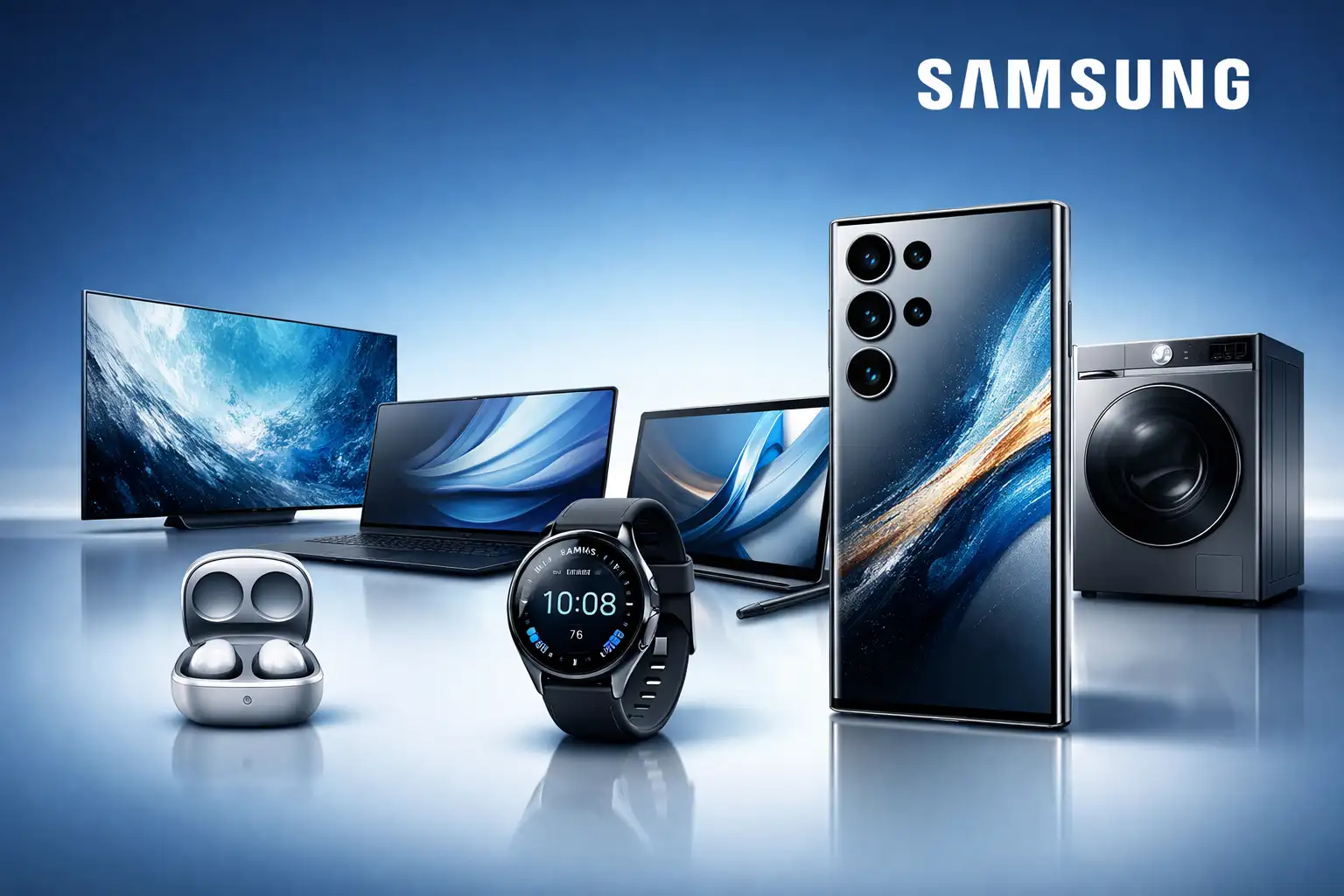
The Samsung Galaxy S26 and S26+ represent a shift toward refinement over innovation in the 2026 smartphone market, offering reliable performance, premium design, and strong display quality without introducing major hardware upgrades. Powered by advanced chipsets and running Android 16 with One UI 8.5, the devices deliver smooth everyday performance and improved AI capabilities, but fall short in areas like camera innovation and charging speed. While they remain solid flagship options for users seeking stability and ecosystem familiarity, their incremental upgrades and premium pricing make them less appealing for those expecting groundbreaking advancements.

Microsoft Raises Surface Prices as RAM Costs Surge Amid Global AI Boom
Microsoft has significantly increased prices across its Surface PC lineup in 2026, with some models becoming up to $500 more expensive due to a global RAM shortage driven by rising AI demand. Devices like the Surface Laptop 7 and Surface Pro 11 now cost substantially more than their launch prices, reflecting broader industry pressure as memory manufacturers prioritize AI data centers over consumer devices. The price surge highlights how the rapid growth of artificial intelligence is reshaping hardware supply chains, pushing up costs across laptops, smartphones and other electronics and signaling that higher tech prices may persist in the coming years.
Artemis II Crew Prepares for Historic Return to Earth After 10-Day Moon Mission
Astronauts on the Artemis II mission are preparing for a high-speed reentry into Earth’s atmosphere after completing a 10-day journey around the Moon. Traveling at nearly 25,000 mph, the Orion spacecraft will rely on its advanced heat shield and parachute system before splashing down in the Pacific Ocean near California. The mission marks the first human deep-space flight since the Apollo era and is a major step toward future lunar landings under NASA’s Artemis program.
Samsung Expands One UI 8.5 Beta to Galaxy S23 Series, Fold5, Flip5 and A36 5G in India and Global Markets
Samsung has expanded the Samsung One UI 8.5 beta program to more Galaxy devices, including the Samsung Galaxy S23 series, Samsung Galaxy Z Fold5, Samsung Galaxy Z Flip5 and Samsung Galaxy A36 5G. The update introduces UI refinements, improved Quick Share features and system stability enhancements, with beta access available through the Samsung Members app in select regions.

Vivo T5 Pro 5G launching in India on April 15: Expected price, camera, battery and key features
The Vivo T5 Pro 5G is set to launch in India on April 15, 2026, expanding Vivo’s T-series lineup with a smartphone focused on battery life, gaming performance and smooth display technology. The device is expected to feature a Qualcomm Snapdragon 7s Gen 4 processor, a massive 9,020mAh battery with 90W fast charging and a 1.5K AMOLED display with a 144Hz refresh rate for smoother visuals and gameplay. It will also support 120FPS gaming and a large vapor chamber cooling system to manage heat during heavy use. Running OriginOS 6 based on Android 16, the phone is likely to include up to 12GB RAM and 256GB storage, with a rumored 50MP Sony primary camera. Positioned in the mid-range segment with an expected price around ₹30,000–₹35,000, the Vivo T5 Pro aims to compete with performance-focused smartphones in India’s growing gaming and battery-centric market.
Apple Releases iOS 26.4.1 and iPadOS 26.4.1 to Fix iCloud Sync Bug
Apple has released iOS 26.4.1 and iPadOS 26.4.1 to address a significant iCloud synchronization bug introduced in the earlier iOS 26.4 update. The issue prevented apps using Apple’s CloudKit framework from automatically syncing data across devices, affecting both Apple and third-party applications. The update restores proper notification-based syncing and ensures information such as passwords, notes and app data updates correctly between devices. Apple also expanded its Stolen Device Protection feature, automatically enabling it on enterprise-managed devices upgrading from iOS 26.4, adding an extra layer of biometric security for sensitive actions. The update is available for iPhone 11 and newer models and Apple recommends installing it promptly to restore full iCloud functionality and improve device security.
AI Startup SandboxAQ Targets EV Battery Breakthrough With New Platform
SandboxAQ, a U.S.-based AI startup spun out of Google, is leveraging artificial intelligence to accelerate the development of next-generation EV batteries through its AQVolt26 platform. By using physics-based AI models to analyze thousands of potential materials, the company claims it can reduce battery discovery timelines by up to 90–95%, significantly speeding up innovation in solid-state battery technology. Unlike traditional lithium-ion batteries, these newer designs promise improved safety, efficiency and reduced reliance on scarce materials. While commercialization may still take several years, SandboxAQ’s approach represents a strategic shift toward innovation-driven competition, offering a potential pathway for the U.S. to challenge China’s dominance in the global EV battery market.
Apple’s 2026 iPhone Shake-Up: Foldable iPhone Rumors Grow as iPhone 18 Pro Details Leak
Apple is reportedly planning one of the biggest transformations in its iPhone lineup for 2026, with leaks pointing to the introduction of its first foldable iPhone alongside the iPhone 18 Pro series. The foldable device, potentially branded as iPhone Fold or iPhone Ultra, is expected to feature a tablet-like display and premium pricing, marking Apple’s entry into the foldable smartphone segment. Meanwhile, the iPhone 18 Pro models are likely to focus on performance upgrades with the new A20 Pro chip built on a 2nm process while retaining a familiar design and camera system. Reports also suggest a shift toward a staggered launch cycle, with the base iPhone 18 possibly delayed to 2027, indicating a broader change in Apple’s product strategy to sustain demand and compete in an evolving smartphone market.

The first iPhone 17 Pro Max photos sent back from the Artemis II mission really are out of this world
NASA has released the first deep space images captured using the iPhone 17 Pro Max during the Artemis II mission, marking a historic moment in space exploration and photography. Astronauts aboard the Orion spacecraft used the smartphone including its front-facing camera to take striking images of Earth and the Moon, even capturing space “selfies” with Earth in the background. iPhone 17 Pro Max devices were rigorously tested and approved for space use, highlighting the growing role of consumer technology in missions. The spacecraft is traveling over 400,000 km from Earth, making these among the farthest smartphone images ever taken, while showcasing how modern mobile cameras can perform in extreme environments
NASA’s Artemis II Astronauts Take Smartphones to Space in Historic First
NASA’s Artemis II mission marks a historic shift as astronauts are allowed to carry personal smartphones into deep space for the first time, breaking decades-old restrictions. The devices, including iPhones and Android smartphones, have been rigorously tested to withstand space conditions and are being used to capture images, record moments and enhance communication during the mission. Launched in April 2026, Artemis II is the first crewed lunar mission in over 50 years and aims to orbit the Moon without landing. The move reflects NASA’s growing adoption of consumer technology to improve efficiency, storytelling and public engagement in modern space exploration
Samsung Galaxy S26 vs Google Pixel 10: Full Comparison
The Samsung Galaxy S26 and Google Pixel 10 are two closely matched flagship smartphones in 2026, but they cater to different user priorities. The Galaxy S26 stands out with stronger performance powered by the Snapdragon 8 Elite Gen 5 chipset, better efficiency through its adaptive LTPO display and higher base storage, making it ideal for gaming and multitasking. In contrast, the Pixel 10 offers a brighter display, larger battery and excels in computational photography and clean Android experience. While both devices deliver premium features and long-term software support, the choice ultimately depends on whether users prioritize performance and storage (Samsung) or camera intelligence and simplicity (Google)

Samsung Galaxy S26 Ultra Review: Premium Flagship with Powerful AI, Privacy Display and Incremental Upgrades
The Samsung Galaxy S26 Ultra delivers a refined flagship experience with a 6.9-inch Dynamic AMOLED display, Snapdragon 8 Elite Gen 5 processor, and strong battery performance, but focuses more on incremental improvements than major innovation. It retains a familiar design and camera system while introducing features like Privacy Display, which limits viewing angles for added security. AI capabilities are present but feel evolutionary rather than transformative, and gaming performance, while solid, trails some competitors. Overall, the device stands out as a premium all-rounder with excellent display and reliability, though it may not offer compelling upgrades for recent flagship users
Dell G15 (G Series) Gaming Laptop Review – i5-13450HX, RTX 3050 6GB
The Dell G15 (G15-5530) is a performance-focused budget gaming laptop designed for gamers, students and developers, featuring a 13th Gen Intel Core i5-13450HX processor and NVIDIA RTX 3050 GPU. It delivers strong multitasking and reliable gaming performance, supported by 16GB DDR5 RAM and a 120Hz display. While it offers solid value at around ₹74,000, with features like fast SSD storage and good connectivity, it has limitations such as a heavy build, average display color accuracy and no built-in webcam. Overall, it stands out as a balanced option for users seeking performance at an affordable price.
Facebook Removes AI-Driven ‘Fake News’ Page After Actor William Shatner Raises Alarm
Facebook removed a page spreading AI-generated fake news about William Shatner after the actor publicly condemned the content as “horrible fake news.” The page had circulated fabricated claims about his health, including false reports of stage 4 brain cancer and other incidents, which Shatner strongly denied. The misleading posts, created using AI and monetized for engagement, appeared convincing enough to mislead fans and spread widely on social media. Following backlash, Meta confirmed the page was taken down for policy violations, highlighting growing concerns over the misuse of AI in spreading misinformation and the challenges platforms face in controlling such content.

Australia Flags ‘Major Gaps’ in Enforcement of Under-16 Social Media Ban
Australia’s eSafety Commissioner has raised serious concerns that major platforms like Facebook, Instagram, TikTok, Snapchat and YouTube are failing to effectively enforce the country’s under-16 social media ban. Despite removing millions of underage accounts, regulators found critical loopholes such as weak age verification systems, repeated account creation by minors and inadequate reporting tools. Authorities are now considering legal action, with potential penalties reaching AU$49.5 million per breach. The case is being closely watched globally as it could set a precedent for stricter regulation of Big Tech and improved online safety standards for children.

Donald Trump Unveils National AI Policy to Unify Regulations and Limit State Control
The White House has introduced a national AI policy framework aimed at creating a unified federal standard while limiting state-level regulations. The proposal focuses on areas like child safety, energy use, intellectual property and free speech, while promoting innovation and U.S. competitiveness against rivals like China. However, the plan faces political hurdles in Congress and resistance from states concerned about federal overreach

Crimson Desert Players Think They've Found AI-Generated Art In-Game
Following the release of Crimson Desert, players began spotting strange in-game visuals like distorted characters and unrealistic anatomy sparking speculation about possible AI-generated art assets. While there is no official confirmation from Pearl Abyss, community discussions highlight similarities to known AI image flaws and some believe these could be placeholders or poor design. The controversy adds to the game’s mixed reception and reflects a broader industry concern around transparency and the growing use of generative AI in game development.

Viral AI Influencer “Jessica Foster” Exposed: How a Fake Persona Gained 1M+ Followers
An AI-generated influencer named Jessica Foster went viral, gaining over 1 million followers by posing as a patriotic U.S. Army supporter, but was later exposed as fake and removed from platforms. Experts say such AI personas use a mix of politics, emotional appeal and monetization strategies to attract users, highlighting growing risks of misinformation, manipulation and the rise of “synthetic personalities” online.
AI Revolution Unavoidable, Will Impact Every Aspect of Human Life: Samsung Mobile Business COO
Samsung Electronics says the artificial intelligence revolution is inevitable and will impact industries far beyond the technology sector. Speaking about the company’s AI strategy, Won-Joon Choi said AI will transform fields such as healthcare, legal services and human resources while gradually becoming a normal part of everyday devices. Samsung plans to expand AI capabilities to around 800 million devices using a hybrid model that combines on-device and cloud AI. The company is also partnering with AI platforms such as Perplexity AI and Google Gemini while emphasizing privacy, transparency and support for local languages as AI adoption grows globally.
US Commerce Department Withdraws Planned Rule on AI Chip Exports
The United States Department of Commerce has withdrawn a draft proposal that aimed to introduce new restrictions on the global export of advanced artificial-intelligence chips. The proposed rule, titled “AI Action Plan Implementation,” was submitted for inter-agency review in February 2026 and was intended to replace a 2025 framework that categorized countries into tiers determining their access to U.S.-made AI semiconductors. Officials said the proposal was only a preliminary draft and its withdrawal suggests ongoing internal debate within the U.S. government over how to regulate AI chip exports while maintaining national security and technological leadership in the global semiconductor race.
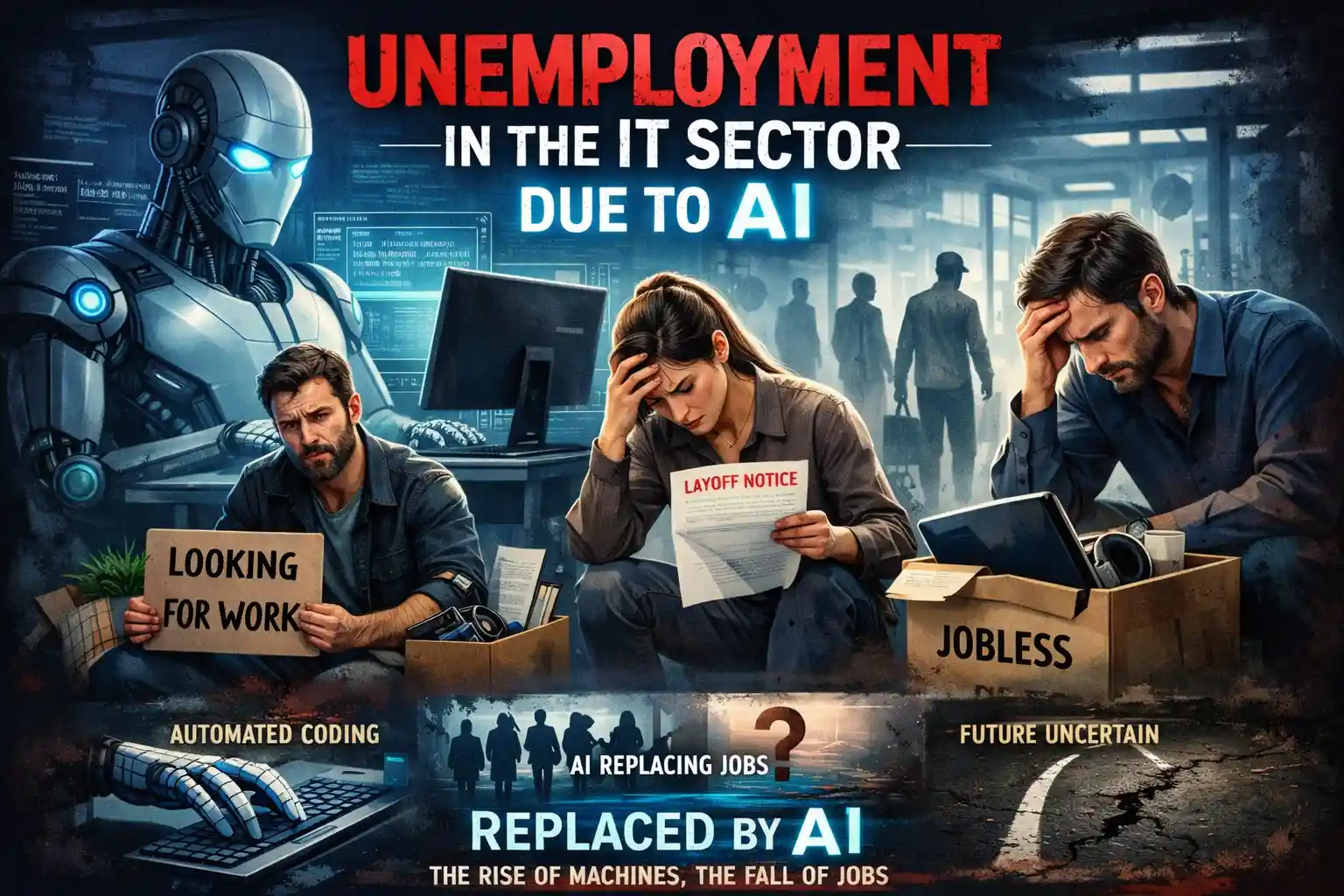
AI Agents Could Push College Graduate Unemployment Above 30%, ServiceNow CEO Warns
Bill McDermott has warned that the rapid adoption of AI agents could significantly disrupt the job market for young professionals, potentially pushing unemployment among recent college graduates into the mid-30% range in the coming years. Speaking on Squawk on the Street, McDermott said companies are increasingly deploying AI systems to automate tasks such as customer service, IT support and administrative work roles that traditionally served as entry points for graduates. While current graduate unemployment remains around 5.7%, rising automation and comments from tech leaders like Andy Jassy suggest companies may reduce hiring as AI improves productivity, potentially reshaping early-career opportunities across industries.
Tinder Introduces AI Features to Improve Matches and Safety
Tinder has introduced a suite of artificial intelligence features at its Tinder Sparks 2026 event aimed at improving matchmaking, reducing dating fatigue and enhancing user safety. The updates include the Chemistry AI recommendation system for curated daily matches, Camera Roll Scan and Photo Insights to improve profile photos and Learning Mode that adapts recommendations based on user behavior. Tinder is also expanding AI-powered safety tools that detect harmful messages and warn users before sending offensive content, along with Face Check identity verification to reduce scams and fake accounts. The company says these AI tools are designed to create more meaningful and safer connections on the platform.

Why the Gulf Was Becoming the “AI Capital of the World”
Before recent geopolitical tensions, Gulf nations such as the United Arab Emirates and Saudi Arabia were rapidly becoming global hubs for artificial intelligence infrastructure. Major technology companies including Amazon Web Services, Microsoft and Google were investing billions to build large-scale AI data centers in the region. The Gulf’s abundant energy resources, strategic location connecting Europe, Asia and Africa, government-backed AI initiatives and fast infrastructure development made it highly attractive for hyperscale cloud providers. However, recent drone strikes linked to Iran targeting cloud infrastructure have raised concerns about the security of AI data centers and the geopolitical risks facing the region’s ambitions to become a major global AI hub.