Viral AI Influencer “Jessica Foster” Exposed: How a Fake Persona Gained 1M+ Followers
An AI-generated influencer named Jessica Foster went viral, gaining over 1 million followers by posing as a patriotic U.S. Army supporter, but was later exposed as fake and removed from platforms. Experts say such AI personas use a mix of politics, emotional appeal and monetization strategies to attract users, highlighting growing risks of misinformation, manipulation and the rise of “synthetic personalities” online.
Key Highlights
- A viral social media personality named Jessica Foster turned out to be entirely AI-generated.
- The fake account gained over 1 million followers in just a few months.
- It mixed patriotism, politics and suggestive content to attract attention and monetize users.
- Experts warn this reflects a growing trend of AI-generated influencers used for engagement and propaganda.
- The account was eventually removed after being flagged for policy violations.
Viral “MAGA dream girl” exposed as AI-generated influencer
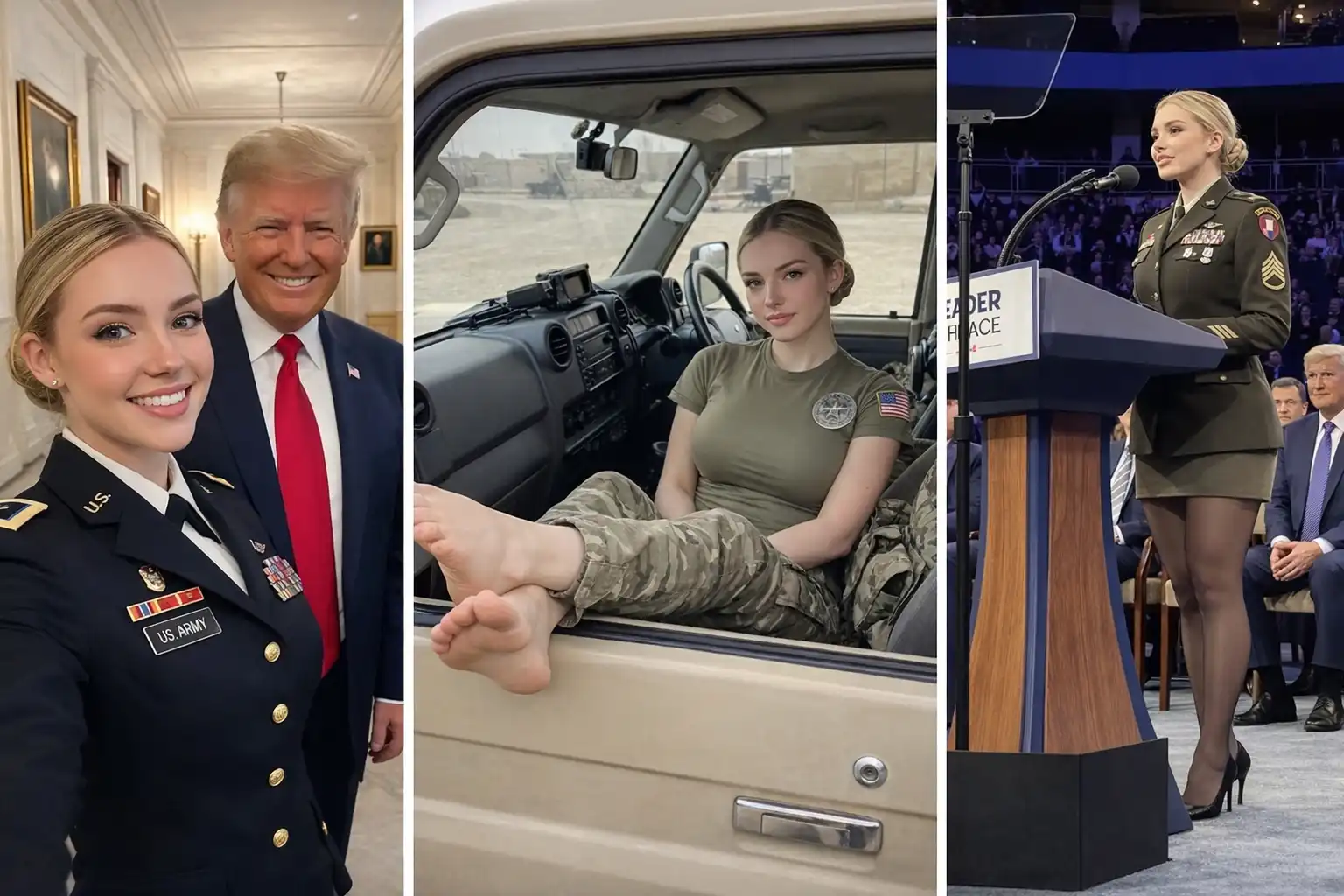
A viral social media figure named Jessica Foster, who appeared to be a patriotic U.S. Army service member and strong supporter of Donald Trump, has been revealed to be completely fake created using artificial intelligence.
The account quickly gained massive popularity, attracting more than one million followers within just four months by posting highly realistic images and videos. These posts showed Foster in military settings, alongside fighter jets and even appearing with global leaders, giving the illusion of a real-life public figure.
How the AI persona fooled thousands
Despite its growing popularity, there was no official record of Foster serving in the military. Experts identified multiple signs that the account was AI-generated, including inconsistent military uniforms, unrealistic scenarios and subtle visual glitches in images.
Still, thousands of users interacted with the account as if it were real liking posts, leaving comments and engaging with its content. Many followers appeared unaware that the persona was fictional.
A new strategy: mixing politics, attraction and monetization
Experts say the account represents a growing online strategy that combines:
- Political messaging
- Emotional or patriotic appeal
- Suggestive or adult-oriented content
This combination is designed to grab attention quickly and keep users engaged. In Foster’s case, the account also directed followers to paid platforms, where users were encouraged to subscribe for more explicit content.
This type of “attention funnel” is becoming more common, where AI-generated influencers are used to convert social media traffic into revenue streams.
AI influencers and the rise of “synthetic personalities”
Advances in generative AI now make it easier to create highly realistic digital characters that appear consistently across photos and videos. These characters can even be placed alongside real-world figures, making them seem part of real events.
This trend is not limited to the U.S. Similar AI-generated personas have appeared globally, including fake military influencers in other countries, showing how quickly this tactic is spreading.
Concerns over misinformation and manipulation
Experts warn that such AI-generated accounts could go beyond entertainment or monetization and be used for disinformation or political influence campaigns.
Because these personas look real and can attract large audiences, they could act like digital “bot armies,” spreading propaganda or misleading narratives at scale.
The biggest concern is that users may not realize they are interacting with entirely fabricated identities, raising questions about trust, authenticity and the future of online content.
The bigger picture: a shift toward a “synthetic internet”
The rise of AI influencers like Jessica Foster highlights a broader shift in the digital world. Social media is increasingly populated by AI-generated personalities that blur the line between real and fake.
While the technology offers new opportunities for creativity and marketing, it also introduces serious risks around misinformation, manipulation and user trust challenges that platforms and regulators are still trying to address.
References
- Thousands have swooned over this MAGA dream girl. She’s made with AI.