AI Era Reshaping Jobs: Leadership, Teamwork and Emotional Intelligence Emerging as the Most Future-Proof Skills
A growing number of studies suggest that while artificial intelligence is rapidly automating technical and repetitive tasks, human-centred capabilities are becoming more important than ever. A recent report by GoHumanize identified leadership, teamwork, negotiation, emotional intelligence, coaching, mentoring and public speaking as some of the professional skills least likely to be replaced by AI over the next decade. Researchers found that AI still struggles with empathy, social interaction, ethical judgement, persuasion and complex interpersonal communication, making these abilities increasingly valuable in the modern workplace. Experts believe the future job market will favour professionals who can work alongside AI systems while still providing uniquely human strengths such as adaptability, collaboration, decision-making and authentic communication
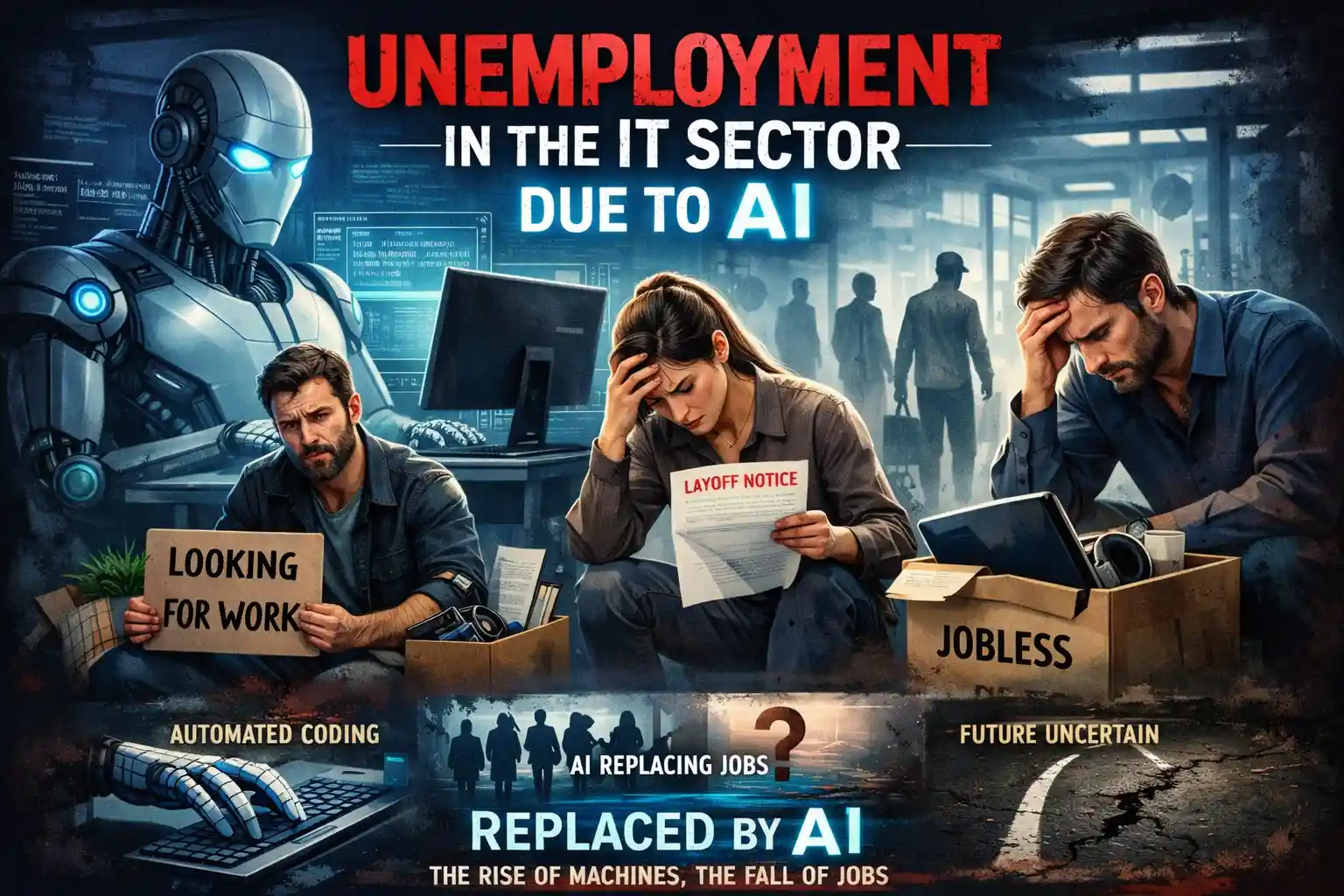
As artificial intelligence rapidly transforms workplaces across industries, a growing number of studies and industry reports suggest that certain human-centred skills may become even more valuable in the coming years.
A recent study by GoHumanize, a US-based AI company, identified leadership, teamwork, negotiation, emotional intelligence and public speaking among the professional skills least likely to be replaced by AI over the next decade. The report comes at a time when automation and generative AI tools are reshaping hiring patterns and redefining workplace expectations.
Researchers examined 60 professional skills using factors such as employer demand, frequency in job listings, resistance to automation and dependence on human qualities like empathy, judgement and communication. The findings suggested that while AI is becoming increasingly capable in areas such as coding, data analysis and content generation, it still struggles with emotional understanding, social interaction and nuanced decision-making.
Leadership tops the list
According to the report, leadership emerged as the most future-proof skill. Researchers noted that although AI may automate some management-related tasks, qualities such as motivating teams, resolving conflicts, making ethical decisions and navigating uncertainty remain deeply human capabilities.
Industry analysts increasingly believe leadership will become more important as organisations adopt AI at scale. A recent study by Aon found that employers now rank adaptability, leadership and change management among the most critical workforce skills in the AI era.
Teamwork and collaboration remain critical
The study also highlighted collaboration and teamwork as highly resistant to automation. Researchers said effective teamwork depends heavily on trust-building, emotional awareness, communication styles and the ability to handle interpersonal dynamics areas where AI systems still face major limitations.
Experts argue that as AI tools become more common in workplaces, employees who can coordinate teams, manage human relationships and work across functions may gain an advantage over purely technical specialists.
Negotiation and emotional intelligence hard to automate
Negotiation ranked among the top future-proof skills because it relies heavily on human instincts, persuasion and emotional interpretation. While AI can assist with preparation and research, understanding tone, trust, body language and emotional context during conversations remains difficult for machines.
Similarly, emotional intelligence continues to be viewed as one of the most valuable workplace capabilities. Multiple industry reports suggest companies are increasingly prioritising empathy, communication and interpersonal awareness alongside technical expertise.
Coaching, mentoring and public speaking still human-led
Coaching and mentoring also featured prominently in the report. Researchers noted that mentors often need to understand emotional struggles, confidence issues, motivation gaps and personal circumstances areas where AI systems currently lack genuine comprehension.
Public speaking rounded out the top five skills identified in the study. Analysts said communication delivered with authenticity, confidence and emotional connection remains difficult for AI systems to replicate effectively.
Technical skills still matter, but human skills may matter more
The report does not suggest that technical expertise will become irrelevant. Instead, researchers argue that the future workplace may increasingly reward professionals who combine AI literacy with human-centred capabilities such as critical thinking, adaptability, communication and leadership.
Recent academic research has also warned that excessive dependence on AI systems could gradually weaken human judgement and expertise if workers stop engaging deeply with complex tasks themselves.
As companies continue restructuring around automation and AI-driven productivity, experts say the most resilient careers may belong to professionals who can work alongside AI while still offering uniquely human strengths that machines struggle to imitate.