Tech Layoffs 2026: Over 73,000 Jobs Cut as Meta, Snap, Oracle and Disney Accelerate AI Shift
Global technology layoffs are accelerating rapidly in 2026 as major companies like Meta Platforms, Snap Inc., Oracle Corporation and The Walt Disney Company shift spending toward artificial intelligence, automation and leaner operations. According to Layoffs.fyi, more than 73,200 tech employees across 95 companies have already lost their jobs in the first quarter of 2026, with fresh cuts accelerating in recent weeks. Snap plans to cut around 1,000 jobs, Meta is reportedly preparing layoffs affecting nearly 8,000 employees starting May 20, Oracle could reduce up to 30,000 roles globally and Disney is also restructuring with around 1,000 job cuts. Unlike previous layoff cycles driven by financial weakness, many of these companies remain highly profitable and are using layoffs to redirect resources into AI infrastructure and productivity systems, signaling a major structural shift in how the global tech workforce is being reshaped.
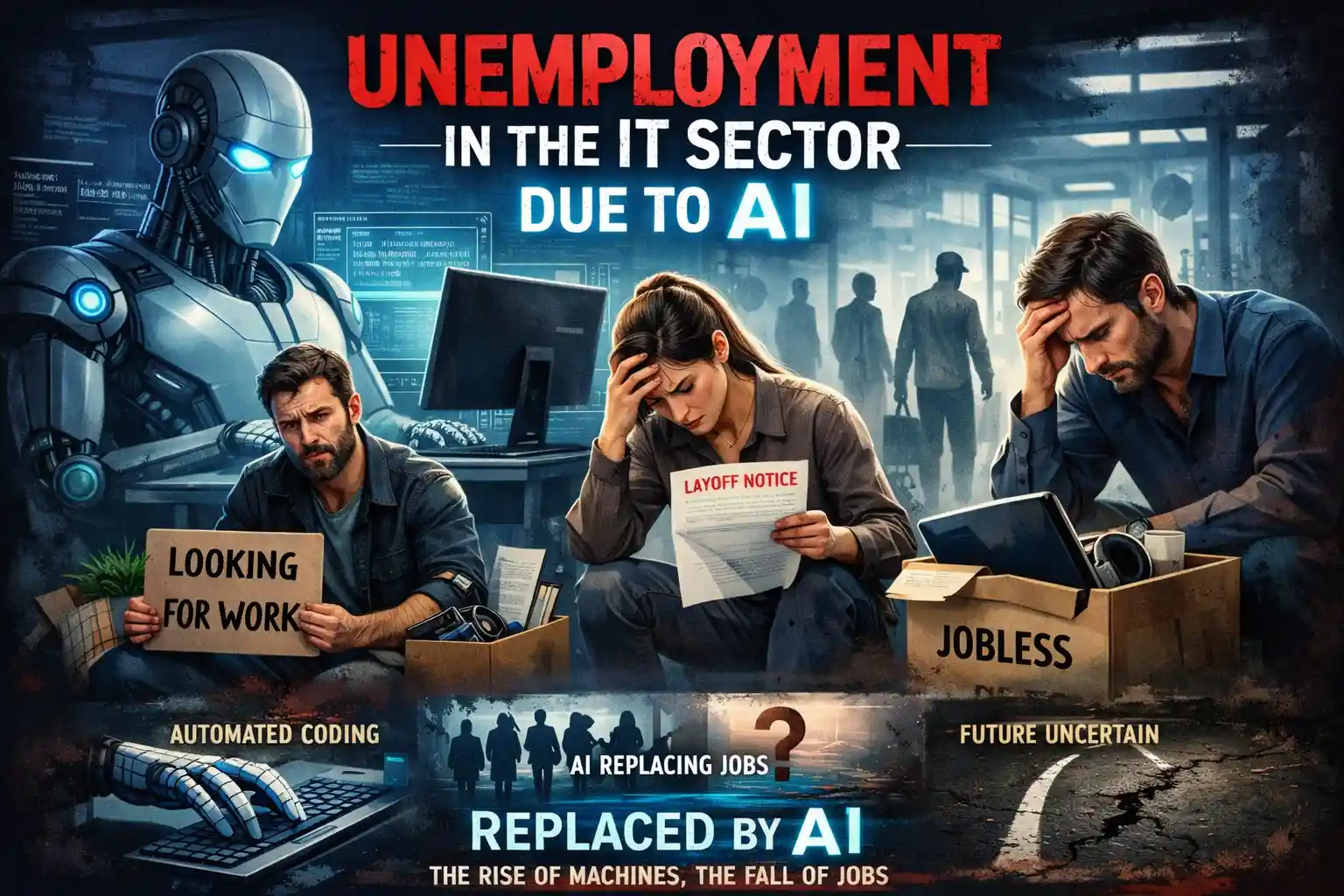
Global technology layoffs are accelerating sharply in 2026 as major companies shift spending toward artificial intelligence, automation and leaner operations. According to data from Layoffs.fyi, more than 73,200 employees across 95 companies have already lost their jobs in the first quarter of the year, highlighting how AI-led restructuring is reshaping the tech workforce. Reuters also reported that AI-linked layoffs are becoming more visible across sectors, with Goldman Sachs economists estimating AI contributed to 5,000 to 10,000 monthly net job losses in the most exposed US industries last year. A Challenger, Gray & Christmas survey further linked AI to 7 percent of total planned layoffs announced in January.
The last two weeks have seen a fresh wave of headcount reductions from some of the biggest names in the industry, including Snap Inc., Meta Platforms, Oracle Corporation and The Walt Disney Company. These companies are reducing workforce costs while redirecting capital toward AI infrastructure, automation tools and productivity-focused systems.
Snap Inc., the parent company of Snapchat, recently announced it would cut around 1,000 jobs, representing nearly 16 percent of its workforce, while also eliminating more than 300 open roles. Chief Executive Officer Evan Spiegel said advances in AI are allowing the company to automate repetitive work and operate with smaller, more efficient teams. Reuters reported that more than 65 percent of Snap’s new code is now being generated using AI tools and the company expects over $500 million in annualized savings by mid-2026.
Meta Platforms is also preparing for another major restructuring. Reuters reported that the company plans to begin its first major wave of layoffs on May 20, potentially affecting around 8,000 employees, or roughly 10 percent of its global workforce. Additional cuts may follow later in the year as Meta pushes aggressively into AI infrastructure and internal automation. CEO Mark Zuckerberg is reportedly reshaping the company with fewer management layers and stronger AI-led productivity systems. This could become Meta’s biggest workforce reduction since its 2022–23 “Year of Efficiency,” when about 21,000 jobs were cut.
Oracle is also under intense scrutiny for large-scale restructuring tied to its AI ambitions. Reports suggest the company could reduce between 20,000 and 30,000 jobs globally as it expands its AI data-center capacity and infrastructure investments. India is believed to be one of the most affected regions, with significant cuts expected across cloud, healthcare, sales and NetSuite divisions. Oracle’s cost-cutting push reflects a broader trend where profitable firms are still reducing staff to fund AI expansion rather than responding to financial weakness alone.
The Walt Disney Company has also reportedly planned around 1,000 job cuts as part of its first major restructuring under new leadership, showing that the AI-driven efficiency trend is extending beyond traditional tech firms into media and entertainment businesses as well.
Amazon and Block have similarly reduced thousands of corporate roles this year, with executives pointing to operational efficiency gains from AI. Across the sector, companies are increasingly moving toward smaller teams supported by AI coding tools, internal automation systems and digital agents capable of handling repetitive or administrative work.
What makes 2026 different from earlier layoff cycles is that many of these firms are not cutting jobs because of financial distress. Instead, they are profitable and investing heavily in AI at the same time. Meta reported more than $200 billion in revenue and $60 billion in profit in 2024, yet it is still preparing major workforce reductions. This reflects a structural shift rather than a temporary downturn.
Industry analysts note that many of these layoffs are pre-emptive measures designed to free up capital for AI infrastructure, rather than proof that AI has already replaced large sections of the workforce. However, the long-term direction is clear: companies increasingly see AI not just as a future investment, but as a present-day driver of hiring decisions, organisational design and workforce strategy.
As the pace of AI development continues to accelerate, 2026 may become one of the defining years for how technology companies rebuild themselves around automation often with fewer employees and far greater dependence on artificial intelligence.