Microsoft Raises Surface Prices as RAM Costs Surge Amid Global AI Boom
Microsoft has significantly increased prices across its Surface PC lineup in 2026, with some models becoming up to $500 more expensive due to a global RAM shortage driven by rising AI demand. Devices like the Surface Laptop 7 and Surface Pro 11 now cost substantially more than their launch prices, reflecting broader industry pressure as memory manufacturers prioritize AI data centers over consumer devices. The price surge highlights how the rapid growth of artificial intelligence is reshaping hardware supply chains, pushing up costs across laptops, smartphones and other electronics and signaling that higher tech prices may persist in the coming years.
Microsoft has significantly increased prices across its Surface PC lineup, citing rising memory (RAM) and component costs driven largely by the global surge in artificial intelligence demand. The move affects nearly all current-generation Surface devices, with some models now costing hundreds of dollars more than at launch.
Sharp Price Increases Across Surface Lineup
The price hikes are substantial and widespread. Flagship devices like the Surface Laptop 7 and Surface Pro 11 have seen increases of up to $500 compared to their original launch prices in 2024.
For example, the 13-inch Surface Pro, which debuted at $999, now starts at around $1,499. Similarly, the more affordable 12-inch Surface Pro has jumped from $799 to about $1,049.
Even mid-range models have not been spared. Entry-level Surface laptops that once started below $1,000 are now priced above that threshold, marking a significant shift in Microsoft’s pricing strategy.
High-end configurations have seen even steeper increases. Fully loaded models featuring advanced processors and large RAM capacities now reach prices as high as $3,600+, pushing them into direct competition with premium devices like Apple’s MacBook Pro.
Microsoft Blames Rising Memory Costs
Microsoft has directly attributed these price increases to escalating costs of RAM and other key components.
In a statement, the company said it is adjusting prices due to “recent increases in memory and component costs,” reflecting broader supply chain pressures affecting the entire tech industry.
The root of the issue lies in a global memory shortage, where demand especially from AI data centers has surged dramatically.
AI Boom Driving the “RAM Crisis”
The ongoing explosion in artificial intelligence development is placing unprecedented pressure on memory supply.
AI companies require massive amounts of high-performance RAM to train large models, leading chip manufacturers to prioritize enterprise and data center clients over consumer electronics.
As a result, prices for DRAM and NAND memory have spiked sharply over the past year, with some reports indicating increases of several hundred percent before stabilizing slightly.
This shift is forcing consumer tech companies including Microsoft to pass rising costs onto buyers.
Industry-Wide Impact Beyond Microsoft
Microsoft is not alone in responding to these pressures. Several major tech companies have already increased prices across their product lines.
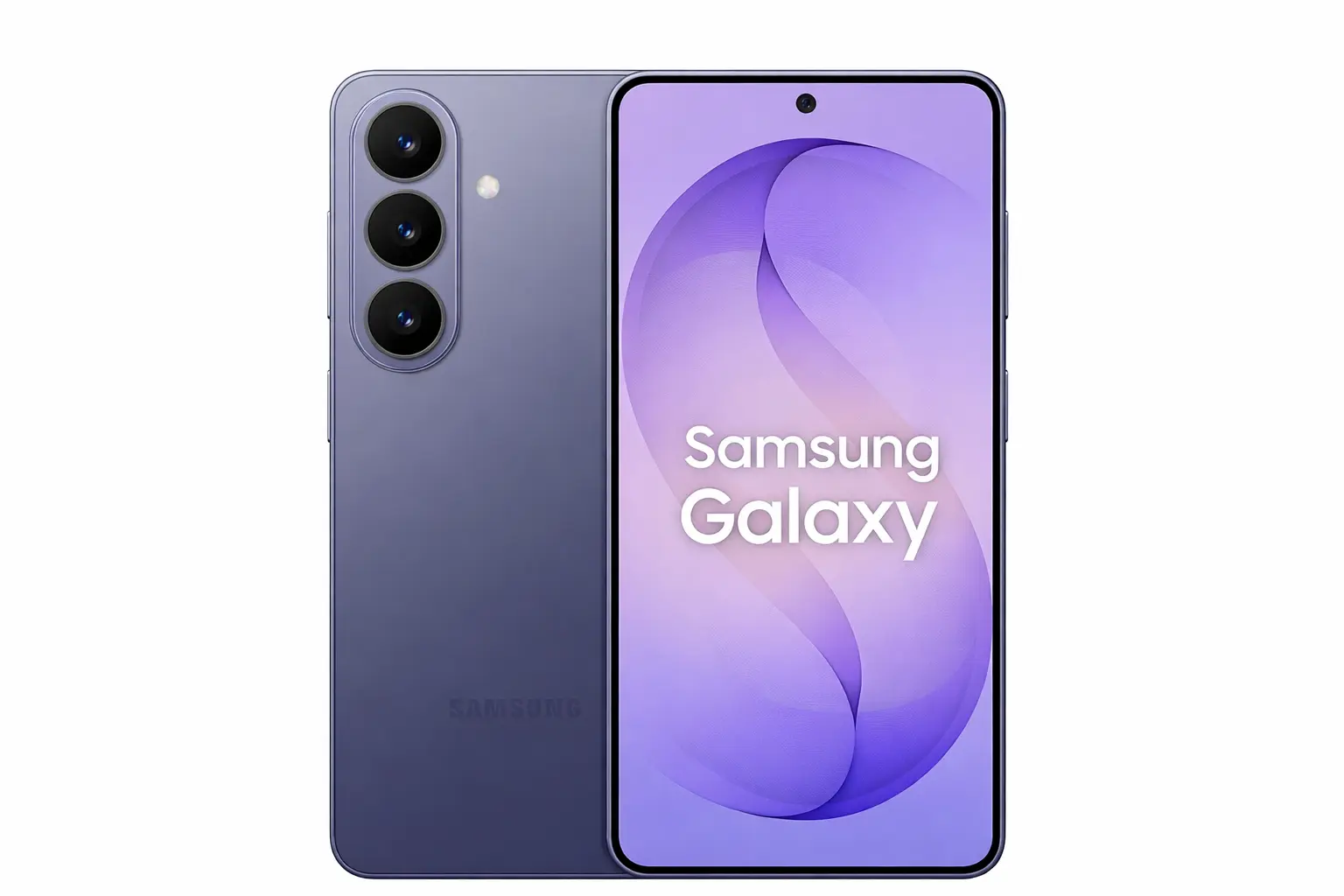
Reports indicate that brands like Samsung, Motorola and Sony have also raised prices for smartphones, laptops and gaming consoles due to similar cost pressures.
The broader PC market is also feeling the impact, with manufacturers such as Dell, HP and Lenovo facing similar challenges as memory costs remain elevated.
Surface Devices Lose Pricing Advantage
One notable consequence of these increases is a shift in competitive positioning.
Previously, Microsoft Surface devices often competed on value against Apple’s MacBook lineup. However, with current pricing, some Surface models are now more expensive than comparable Apple devices, reversing that dynamic.
This change could impact consumer demand, especially in a market where buyers are increasingly price-sensitive.
What Comes Next?
Industry experts suggest that these price increases may not be temporary.
With memory shortages expected to persist and AI demand continuing to grow, pricing pressure is likely to remain through the coming years. Some forecasts indicate that meaningful relief in memory costs may not arrive until later in the decade.
At the same time, Microsoft is reportedly preparing refreshed Surface devices, which could launch at similarly elevated price points if component costs do not ease.
The Bigger Picture
Microsoft’s Surface price hike is more than just a company decision it reflects a broader transformation in the tech industry.
As AI continues to reshape computing, it is also reshaping supply chains, pricing strategies and consumer expectations. Devices that were once considered premium are becoming even more expensive, while affordability across the PC market is increasingly under pressure.
For consumers, the message is clear: the cost of modern computing is rising and AI is a major reason why.